Trusted by cedants across the Global South
Property & Casualty
Providing sustainable capacity and capital relief to bridge the $180B+ protection gap in emerging economies.
- 7–9%
- Global South P&C Market CAGR
- 40+
- Target Emerging Markets
- 60%
- Under-reinsured Portfolios
- $100B+
- Annual NatCat Economic Losses
Our Approach
A better way to manage underwriting volatility
For primary insurers in the Global South, P&C portfolios are defined by rapid urbanization and increasing exposure to secondary perils. We provide the capital depth and technical expertise required to absorb NatCat shocks, ensuring local insurers can maintain competitive pricing and solvency without over-extending their net retentions.
- 01
Risk Engineering & Technical Surveys
- We support our partners with site-specific risk assessments for high-value industrial assets and infrastructure projects. By leveraging local engineering insights, we help refine the Probable Maximum Loss (PML) calculations essential for treaty pricing.
- 02
Support for Developing Markets
- We specialize in helping local carriers transition from basic facultative placements to sophisticated treaty arrangements, offering expertise in proportional and non-proportional profit-sharing structures.
- 03
Catastrophic Loss Protection
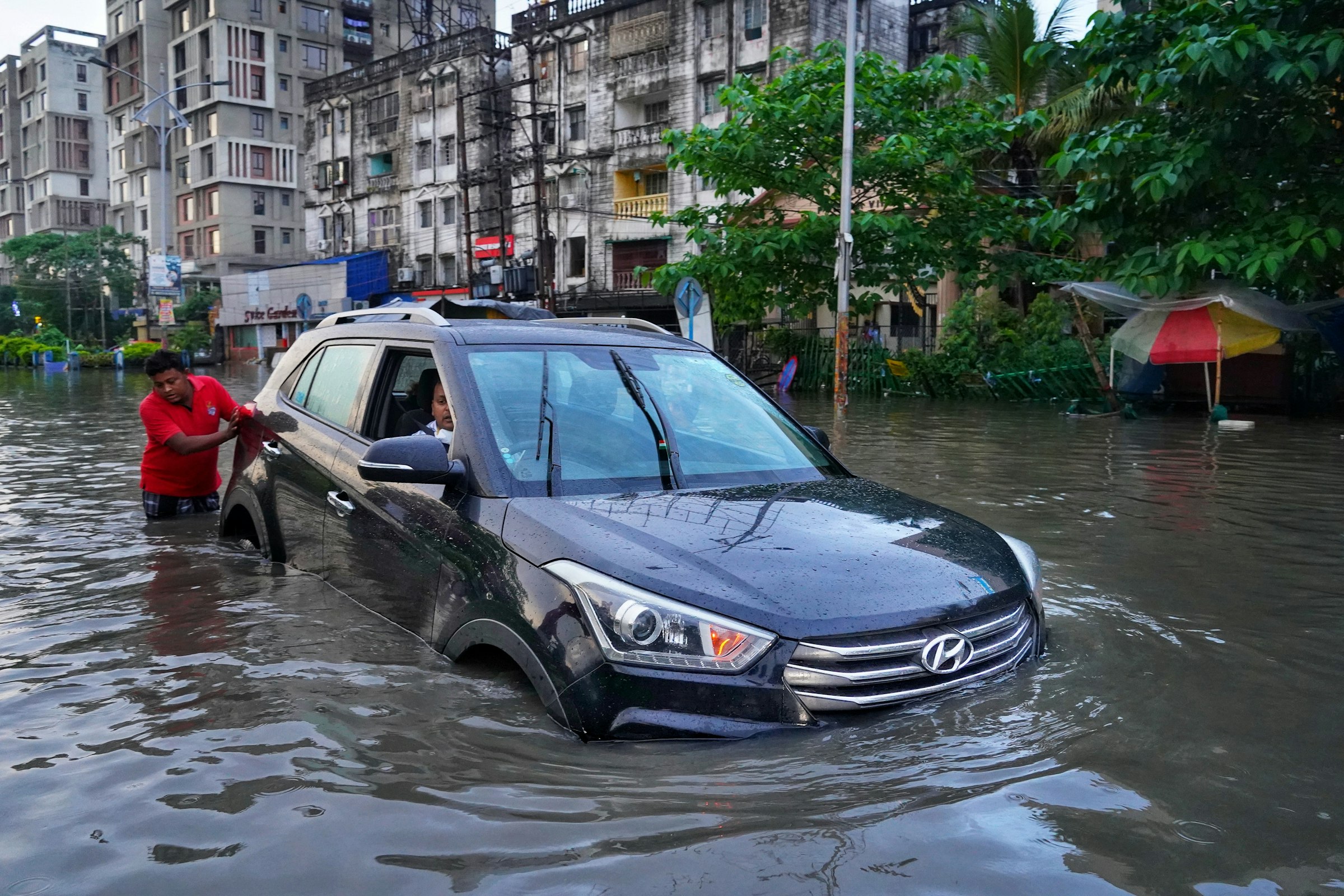
- Our treaties are structured to protect against "Black Swan" events — such as multi-city flash floods, seismic shifts in developing urban corridors, or large-scale industrial accidents — that exceed the retention limits of domestic carriers.

Always in the Loop
Intelligence that keeps cedants ahead.
Our partners receive continuous analytical support — turning raw risk data into precise underwriting decisions.
Catastrophe Modeling & Mapping
- Our partners receive access to advanced probabilistic models tailored for Global South geographies, providing a real-time view of accumulation across seismic zones and floodplains.
Portfolio Health Analytics
- We provide deep-dive analytics on loss ratios and commission structures to help our cedants optimize their underwriting guidelines for commercial and residential lines in volatile markets.

FAQs
Frequently asked questions
- How does Treaty Reinsurance improve capital efficiency?
- By offloading peak concentration risks (like earthquake or industrial fire clusters), we reduce the solvency capital requirements for primary insurers, allowing them to expand their underwriting capacity within local regulatory mandates.
- What is the typical duration of a treaty arrangement?
- Most P&C treaties follow the annual renewal cycle (e.g., January 1st or April 1st in India) and are typically structured as "Losses Occurring During" (LOD) or "Risks Attaching" (RAD) contracts.
- How are claims handled within this Line of Business?
- As a reinsurer, we follow the settlements of the primary insurer ("Follow the Fortunes"), while providing prompt cash-call facilities for large industrial losses to ensure the cedant's liquidity is never compromised.
- Do you offer tailored wording for specific regulatory zones?
- Yes. We specialize in drafting wording that aligns with regional insurance acts (applicable local regulatory requirements) and specific local requirements regarding "Cash Loss" clauses and "Reinstatement Premium" provisions.
- How do you support cedants with technical data?
- We provide regular RST (Remote Sensing Technology) based inputs and GIS-mapping. These reports help our cedants monitor urban accumulation in real-time and identify potential loss pockets immediately following a flood or earthquake event.
- Can you assist with the "Sliding Scale" commission process?
- Absolutely. We provide the actuarial backing to manage complex commission structures, ensuring that the profit-sharing reconciliation between the cedant and the reinsurer is transparent and audit-ready.
- How is accumulation risk managed during peak monsoon/cyclone seasons?
- We use spatial analytics to monitor Total Insured Value (TIV) concentration across neighbouring coastal and riverine districts. This allows us to advise cedants on portfolio balancing to avoid over-exposure to a single weather system.
- What is the role of the reinsurer in large-loss surveys?
- While the primary insurer oversees the ground-level adjustment, we provide a layer of technical verification — often using drone footage or satellite imagery — to help validate the extent of damage in industrial or infrastructure losses.
Catalyst Series